
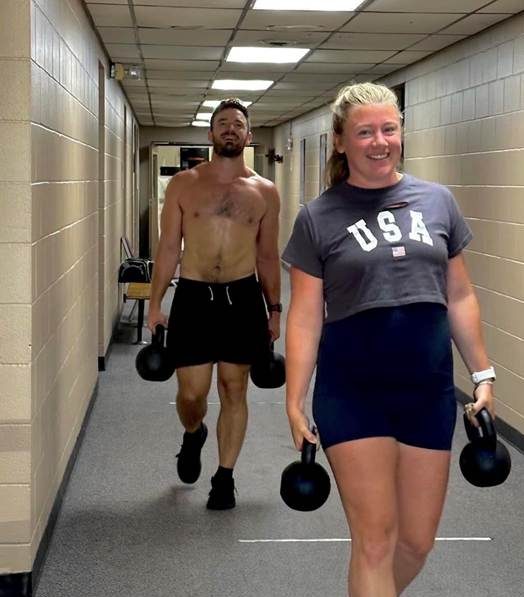
The changes to a female’s body during pregnancy are profound.
Here are some major ones:
Internal Organ Rearrangement: As the uterus expands, your stomach, intestines, and liver are literally shoved upward and outward to accommodate the baby.
Skin Changes: Surging hormones stimulate melanin production, which can cause dark, blotchy patches on the face called melasma, or the linea nigra – a dark line running down the belly.
Loosened Joints: The hormone relaxin relaxes the ligaments in your pelvis to prepare for birth, but it also loosens joints throughout the body, causing clumsiness and shifting the arches in the feet.
Foot Growth: Thanks to those loosened ligaments and the extra weight bearing down, many women find they permanently go up half a shoe size or more.
Heart and Lungs Working Overtime: Your heart rate increases, and you take in more oxygen because of your booming blood volume. Your lungs also work harder, and the expanding uterus pushes against the diaphragm, leading to shortness of breath
Superhuman Sense of Smell: Hormonal changes, specifically higher estrogen levels, often trigger heightened olfactory senses, leading to intense food aversions or sensitivity to odors.
Hair and Nail Changes: Thicker, shinier hair is common because elevated estrogen levels put hair follicles in a continuous resting-growth phase, preventing normal shedding.
With all these crazy and often uncomfortable changes taking place, many women find it difficult to get proper exercise in, particularly during the first trimester.
Indeed, traditional advice to women during pregnancy is often to “take it easy” regarding movement/exercise, and to stick to light walking for exercise.
Although it is quite prudent for every individual woman to seek guidance and know their limits during pregnancy, recent research suggests that resistance training provides strong and unique benefits.
Consider the following research:
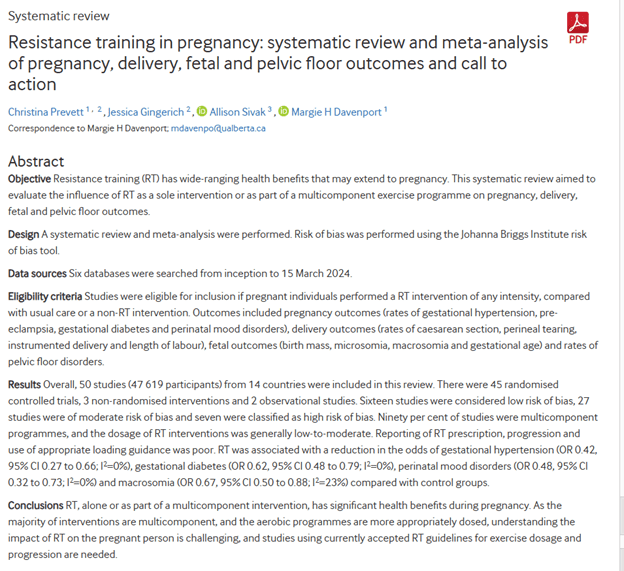
Resistance training was associated with:
58% lower chance of gestational hypertension
52% lower chance of perinatal mood disorders
38% lower chance of gestational diabetes
33% lower chance of macrosomia
Resistance training can be defined as “the movement of an external load intended to increase muscular strength or size, covering methods like weightlifting, resistance bands, and bodyweight exercises. This definition encompasses a broad range of modalities including free weights, kettlebells, and Pilates to improve muscular conditioning”.
The load was low to moderate in this research, suggesting that benefits could be even more profound with more advanced loads prescribed from a trainer.
As I have written many times before (see this post) resistance training has a multitude of amazing benefits for the body that go far beyond just the effects on muscle tissue. These benefits are also provided during pregnancy.
So, if you are pregnant or planning to become pregnant, consider working with someone who can help provide you with a safe and effective resistance training program during pregnancy. This will surely help optimize your pregnancy outcome.


